
Table of Contents
Introduction to IPTV Services
The television landscape has undergone a revolutionary transformation over the past decade, with Internet Protocol Television (IPTV) emerging as one of the most significant innovations in how we consume entertainment content. An IPTV service represents a fundamental shift from traditional broadcasting methods, delivering television content through internet protocol networks rather than conventional terrestrial, satellite, or cable television formats. This technology has democratized access to global content, offering viewers unprecedented flexibility in what they watch, when they watch it, and how they interact with their entertainment.
The rise of IPTV services has been driven by several converging factors, including the widespread availability of high-speed internet connections, the proliferation of smart devices, and changing consumer preferences toward on-demand content consumption. Unlike traditional television broadcasting that follows a linear schedule, IPTV service providers offer viewers the ability to access content libraries containing thousands of channels, movies, and series from around the world. This shift has particularly appealed to cord-cutters who seek more affordable alternatives to expensive cable subscriptions while maintaining access to premium content.
Modern IPTV services have evolved far beyond simple channel streaming, incorporating advanced features such as time-shifting capabilities, video-on-demand libraries, electronic program guides, and multi-screen viewing options. These services cater to diverse audience preferences, offering everything from live sports and news broadcasts to international channels and niche programming that might not be available through traditional television providers. The technology behind these services continues to advance rapidly, with improvements in streaming quality, user interface design, and content delivery methods making IPTV an increasingly attractive option for consumers worldwide.
Understanding IPTV Technology
Internet Protocol Television represents a sophisticated technological framework that leverages internet protocols to deliver television content directly to end-users through broadband connections. Unlike traditional broadcasting methods that transmit signals through airwaves or coaxial cables, an IPTV service utilizes the same network infrastructure that powers internet connectivity, enabling more efficient and flexible content delivery. The underlying technology converts traditional television signals into data packets that can be transmitted over IP networks, allowing for real-time streaming or on-demand access to vast content libraries.
The technical architecture of IPTV services consists of several interconnected components that work together to ensure seamless content delivery. At the source level, content providers encode television signals into digital formats compatible with IP transmission protocols. These encoded streams are then processed through middleware systems that manage user authentication, content rights management, and quality of service parameters. The content delivery network (CDN) infrastructure plays a crucial role in distributing streams efficiently across geographic regions, utilizing strategically placed servers to minimize latency and ensure optimal viewing experiences for users regardless of their location.
Quality of service (QoS) management is a critical aspect of IPTV technology, as it directly impacts the viewing experience through factors such as buffering times, video resolution, and stream stability. Advanced IPTV service providers implement adaptive bitrate streaming technologies that automatically adjust video quality based on available bandwidth, ensuring continuous playback even when internet conditions fluctuate. This technology enables the service to deliver high-definition content when bandwidth permits while gracefully degrading to lower resolutions when network conditions become constrained, maintaining uninterrupted viewing experiences.
The integration of electronic program guides (EPG) and metadata management systems enhances the functionality of IPTV services by providing users with comprehensive information about available content, including program descriptions, scheduling information, and genre classifications. These systems work in conjunction with user interface applications to create intuitive browsing experiences that help viewers discover new content and manage their viewing preferences effectively.
Types of IPTV Services
The IPTV ecosystem encompasses various service models designed to meet different consumer needs and preferences, ranging from live television streaming to comprehensive on-demand entertainment platforms. Live IPTV services focus primarily on delivering real-time television broadcasts, including news channels, sports programming, and live events, effectively replicating the traditional television viewing experience through internet protocols. These services typically offer extensive channel lineups that may include international content, premium networks, and specialized programming that might not be readily available through conventional television providers in specific geographic regions.
Video-on-demand (VOD) IPTV services represent another significant category, providing users with access to extensive libraries of movies, television series, documentaries, and other pre-recorded content. These platforms emphasize convenience and flexibility, allowing viewers to start, pause, and resume content at their discretion while maintaining viewing progress across multiple devices. Many VOD-focused IPTV service providers incorporate recommendation algorithms that analyze viewing habits to suggest relevant content, creating personalized entertainment experiences that evolve with user preferences over time.
Hybrid IPTV services combine live streaming capabilities with on-demand content libraries, offering comprehensive entertainment solutions that cater to diverse viewing preferences within a single platform. These services often include time-shifting features that enable users to pause live broadcasts, rewind to missed segments, or record programs for later viewing. The integration of catch-up television functionality allows viewers to access recently aired content from various networks, extending the availability window for popular programming beyond its original broadcast time.
Specialized IPTV services cater to niche markets and specific content categories, such as sports-focused platforms that concentrate on live sporting events, international services that provide content from specific countries or regions, or premium adult entertainment services that require age verification and enhanced privacy features. These specialized offerings often provide more comprehensive coverage of their target content categories compared to general-purpose IPTV services, including multiple camera angles for sports events, commentary options in various languages, or exclusive content that may not be available elsewhere.
Key Features and Benefits
Modern IPTV services offer an extensive array of features that distinguish them from traditional television broadcasting and provide compelling value propositions for consumers seeking flexible entertainment solutions. Multi-device compatibility stands as one of the most significant advantages, enabling users to access their IPTV service across smartphones, tablets, smart TVs, streaming devices, and desktop computers. This cross-platform accessibility ensures that entertainment remains available regardless of location or device preference, supporting seamless transitions between different viewing environments while maintaining consistent user experiences and content synchronization.
The ability to customize channel lineups represents another valuable feature that empowers users to tailor their viewing experiences according to personal preferences and interests. Many IPTV service providers offer package customization options that allow subscribers to select specific channel categories, add premium networks, or include international content packages without paying for unwanted programming. This flexibility often results in significant cost savings compared to traditional cable or satellite television packages that bundle numerous channels regardless of viewer interest, making IPTV services particularly attractive to budget-conscious consumers.
Advanced recording and time-shifting capabilities provided by many IPTV services enable users to take control of their viewing schedules in ways that traditional television cannot match. Cloud-based digital video recording (DVR) functionality allows subscribers to schedule recordings of live programming, store content in online libraries, and access recorded material from any compatible device. These features eliminate the need for physical recording hardware while providing virtually unlimited storage capacity for archived content, enabling users to build comprehensive personal media libraries over time.
Interactive features integrated into modern IPTV platforms enhance engagement through social viewing options, real-time commenting systems, and integration with social media platforms. Some services offer synchronized viewing experiences that allow friends and family members to watch content together remotely while sharing reactions and commentary through integrated chat systems. These social features have become particularly valuable during periods of physical distancing, enabling shared entertainment experiences that maintain social connections despite geographic separation.
| Feature Category | Traditional TV | IPTV Service | Advantage |
|---|---|---|---|
| Device Compatibility | Limited to TV sets | Multi-device support | Watch anywhere, anytime |
| Channel Selection | Fixed packages | Customizable lineups | Pay for what you want |
| On-Demand Content | Limited availability | Extensive libraries | Vast content selection |
| Recording Capability | Physical DVR required | Cloud-based storage | Unlimited capacity |
| International Content | Limited options | Global channel access | Worldwide programming |
| Cost Structure | High monthly fees | Flexible pricing | Significant savings |
| Setup Complexity | Professional installation | Self-service setup | Quick deployment |
| Content Discovery | Basic EPG | AI-powered recommendations | Personalized suggestions |
How to Choose the Right IPTV Service
Selecting an appropriate IPTV service requires careful evaluation of multiple factors that directly impact viewing satisfaction, cost-effectiveness, and long-term usability. Content availability represents the primary consideration, as different IPTV service providers offer varying channel lineups, on-demand libraries, and geographic content restrictions that may affect access to desired programming. Prospective subscribers should thoroughly research available content catalogs, paying particular attention to specific channels, sports leagues, international programming, and premium networks that align with their viewing preferences and requirements.
Technical compatibility assessment is crucial for ensuring optimal service performance across intended viewing devices and network environments. This evaluation should include verification of supported streaming protocols, video quality options, and bandwidth requirements that match available internet connection capabilities. Users with limited bandwidth or data caps should prioritize services that offer adaptive streaming technologies and multiple resolution options to optimize performance within their network constraints. Additionally, consideration of supported devices and operating systems ensures that the chosen service will function properly across all intended viewing platforms.
Pricing structure analysis requires examination of both immediate costs and long-term financial implications, including subscription fees, device requirements, and potential additional charges for premium content or features. Many IPTV service providers offer tiered pricing models that provide different levels of access to content libraries, simultaneous streaming capabilities, and advanced features. Subscribers should carefully evaluate these options against their actual usage patterns to avoid paying for unnecessary features while ensuring that selected plans provide adequate functionality for their viewing needs.
Customer support quality and availability represent often-overlooked factors that significantly impact user satisfaction, particularly during initial setup periods or when technical issues arise. Reliable IPTV service providers typically offer multiple support channels, including live chat, email support, and comprehensive knowledge bases that help users resolve common issues independently. Services that provide 24/7 technical support demonstrate commitment to user satisfaction and typically offer better overall experiences, especially for users who may not be technically sophisticated.
The reputation and reliability of potential IPTV service providers should be thoroughly researched through user reviews, industry analysis, and evaluation of service track records. Established providers with positive user feedback and transparent business practices typically offer more stable services and better long-term value compared to newer or less reputable alternatives. Additionally, services that provide free trial periods or money-back guarantees allow potential subscribers to evaluate service quality before committing to longer-term subscriptions, reducing the risk of unsatisfactory purchases.
Setting Up Your IPTV Service
The process of establishing an IPTV service connection involves several technical and administrative steps that, when executed properly, ensure optimal performance and user satisfaction. Initial preparation requires assessment of existing internet infrastructure to verify compatibility with IPTV streaming requirements, including bandwidth capacity, network stability, and router capabilities. Most IPTV services require minimum internet speeds of 5-10 Mbps for standard definition content and 25+ Mbps for 4K streaming, though these requirements may vary based on simultaneous stream counts and service-specific compression technologies.
Device selection and preparation constitute critical components of the setup process, as the chosen playback hardware directly impacts streaming quality, user interface responsiveness, and available features. Popular IPTV-compatible devices include dedicated streaming boxes, smart TVs with built-in applications, gaming consoles, and mobile devices running specialized IPTV applications. Each device category offers distinct advantages and limitations, with dedicated streaming devices typically providing the most stable performance and comprehensive feature support, while mobile devices offer maximum portability and convenience for viewing on-the-go.
Account registration and service activation procedures vary among different IPTV service providers but generally involve creating user accounts, selecting subscription plans, and completing payment processing. During this phase, subscribers should carefully review terms of service, privacy policies, and content usage restrictions to ensure compliance with provider requirements and legal obligations. Many services offer multiple payment options, including cryptocurrency payments for enhanced privacy, though users should verify the legitimacy and security of payment processors before submitting financial information.
Application installation and initial configuration represent the final technical steps in the setup process, requiring download and installation of provider-specific applications or configuration of generic IPTV players with service-specific settings. Popular IPTV applications such as IPTV Smarters Pro offer comprehensive compatibility with various service providers while providing intuitive user interfaces and advanced playback features. Proper configuration includes entering server URLs, authentication credentials, and customizing playback settings to optimize performance for specific network conditions and viewing preferences.
Network optimization measures can significantly enhance IPTV streaming performance by reducing buffering, improving connection stability, and minimizing interference from other network activities. These optimizations may include configuring Quality of Service (QoS) settings on network routers to prioritize streaming traffic, establishing wired connections for primary viewing devices, and implementing network segmentation to isolate IPTV traffic from other internet activities. Users experiencing persistent performance issues should consider upgrading internet service plans or implementing content delivery network (CDN) solutions to improve streaming reliability.
Popular IPTV Players and Applications
The selection of appropriate IPTV player applications significantly influences the overall viewing experience, with different software solutions offering varying levels of functionality, compatibility, and user interface design. Generic IPTV players provide flexibility by supporting multiple service providers and streaming protocols, enabling users to switch between different IPTV service subscriptions without changing applications. These applications typically support standard streaming protocols such as M3U8, RTSP, and HTTP Live Streaming (HLS), making them compatible with a wide range of IPTV services while offering customizable user interfaces and advanced playback controls.
IPTV Smarters represents one of the most popular generic IPTV applications, offering comprehensive compatibility across mobile devices, streaming boxes, and desktop computers. The IPTV Smarters Player application provides intuitive navigation, electronic program guide integration, and support for multiple user accounts within single installations. Its cross-platform availability ensures consistent user experiences across different devices while maintaining synchronized viewing preferences and favorites lists through cloud-based account management systems.
Specialized IPTV applications designed for specific device categories often provide optimized performance and enhanced feature sets compared to generic alternatives. Smart TV applications leverage television-specific hardware capabilities to deliver superior video quality and audio processing while providing remote control compatibility and television-integrated user interfaces. These applications typically offer seamless integration with television settings, automated display calibration, and support for advanced audio formats such as Dolby Digital and DTS surround sound.
Media center applications such as Kodi provide comprehensive entertainment platform functionality that extends beyond simple IPTV playback to include local media management, streaming service integration, and customizable interface themes. When properly configured with IPTV add-ons, these applications create unified entertainment hubs that combine live television streaming with personal media libraries, streaming service content, and various entertainment utilities. However, users should exercise caution when selecting add-ons and ensure compliance with applicable copyright laws and service terms.
Mobile IPTV applications prioritize portability and convenience, offering touch-optimized interfaces and features designed for viewing on smartphones and tablets. These applications typically include offline viewing capabilities through content downloading, mobile-optimized video compression, and integration with device-specific features such as picture-in-picture modes and notification systems. Many mobile IPTV players also offer casting functionality that enables users to stream content from mobile devices to larger screens while maintaining mobile control interfaces.
The evaluation of IPTV player applications should consider factors such as supported streaming protocols, user interface design, performance stability, and available customization options. Users should prioritize applications that receive regular updates, offer responsive customer support, and demonstrate commitment to security through regular security patches and privacy protection measures. Additionally, compatibility with existing device ecosystems and integration with other entertainment applications can significantly enhance overall user experiences.
Legal Considerations and Compliance
The legal landscape surrounding IPTV services presents complex challenges that require careful navigation by both service providers and consumers to ensure compliance with applicable copyright laws, broadcasting regulations, and regional legal requirements. Legitimate IPTV service providers operate under proper licensing agreements with content owners and distributors, ensuring that their streaming activities comply with intellectual property laws and industry standards. These authorized services typically display clear licensing information, maintain transparent business operations, and provide customer support through established corporate entities that can be held accountable for service quality and legal compliance.
Content licensing represents the most critical legal aspect of IPTV operations, as unauthorized distribution of copyrighted material can result in serious legal consequences for both providers and users. Legitimate IPTV services invest significantly in securing proper licensing agreements with television networks, movie studios, sports leagues, and other content creators to ensure lawful distribution of their programming. These licensing costs are typically reflected in subscription pricing, with authorized services generally charging higher fees compared to unlicensed alternatives that may offer similar content catalogs without proper legal authorization.
Regional broadcasting rights and geographic content restrictions create additional legal complexities that affect IPTV service availability and content accessibility across different territories. Many content licensing agreements include territorial limitations that restrict distribution to specific geographic regions, requiring IPTV providers to implement geo-blocking technologies and content filtering systems to comply with these contractual obligations. Users attempting to circumvent these restrictions through virtual private networks (VPNs) or other technical means may violate service terms and potentially engage in copyright infringement activities.
Consumer protection laws and privacy regulations impose additional obligations on IPTV service providers regarding data handling, billing practices, and service transparency. Reputable providers typically implement comprehensive privacy policies that detail data collection practices, storage procedures, and sharing policies while providing users with control over their personal information. These services also maintain transparent billing systems, clear cancellation policies, and accessible customer support channels that demonstrate commitment to consumer protection and regulatory compliance.
Due diligence in selecting legitimate IPTV services requires evaluation of provider credentials, business registration information, and payment processing methods. Authorized services typically operate through established business entities with verifiable corporate information, professional websites with clear terms of service, and secure payment processing through recognized financial institutions. Users should be cautious of services that require payments through untraceable methods, lack proper business registration, or make unrealistic claims about content availability and pricing that seem too good to be true.
Troubleshooting Common Issues
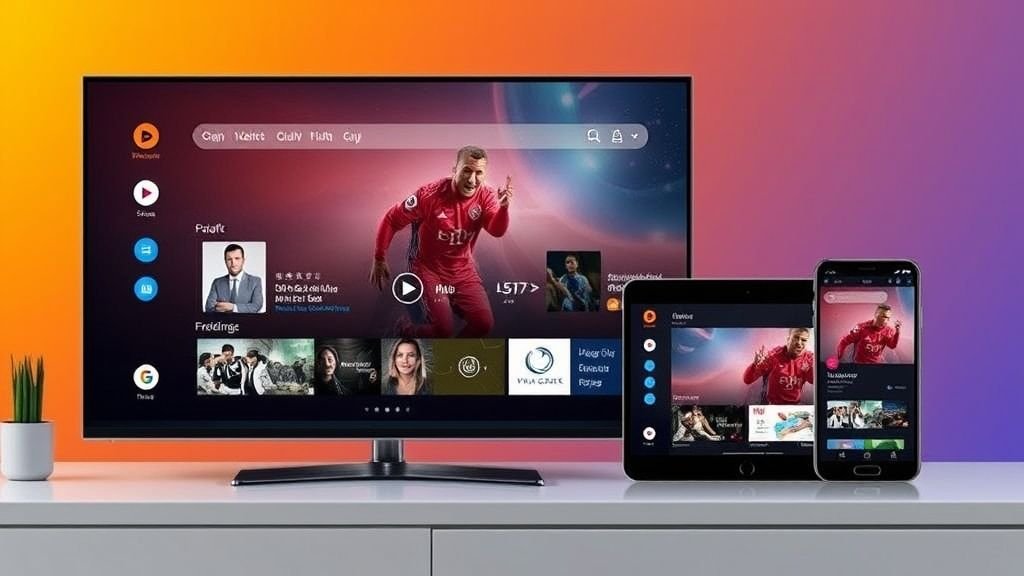
IPTV streaming performance can be affected by various technical factors that range from network connectivity issues to device compatibility problems, requiring systematic troubleshooting approaches to identify and resolve underlying causes. Buffering and playback interruptions represent the most common issues experienced by IPTV service users, typically resulting from insufficient bandwidth, network congestion, or server overload conditions. Initial troubleshooting should focus on testing internet connection speeds using reliable speed testing tools and comparing results against service provider requirements to identify potential bandwidth limitations that may affect streaming quality.
Network optimization strategies can address many common IPTV performance issues by improving connection stability and reducing interference from other network activities. Users experiencing frequent buffering should consider implementing Quality of Service (QoS) configuration on their network routers to prioritize IPTV traffic over other internet activities such as file downloads, cloud backups, or gaming applications. Additionally, establishing wired ethernet connections for primary IPTV devices often provides more stable performance compared to wireless connections, particularly in environments with significant wireless interference or network congestion.
Application-specific issues may require different troubleshooting approaches depending on the IPTV player software being used and the specific symptoms being experienced. Common solutions include clearing application cache data, updating to the latest software versions, and verifying correct configuration settings such as server URLs and authentication credentials. Users experiencing persistent issues with specific applications should consider testing alternative IPTV players to determine whether problems are application-specific or related to broader network or service issues.
Device compatibility and performance optimization become particularly important when using older hardware or devices with limited processing capabilities. Smart TVs, streaming boxes, and mobile devices with insufficient processing power or memory may struggle with high-definition IPTV streams, resulting in stuttering playback, audio synchronization issues, or application crashes. In these cases, users may need to reduce streaming quality settings, close background applications, or consider hardware upgrades to achieve satisfactory performance levels.
Server-side issues originating from IPTV service providers can cause widespread performance problems that affect multiple users simultaneously. These issues typically manifest as service-wide outages, channel unavailability, or degraded streaming quality across all devices and network configurations. Users suspecting provider-related issues should check service status pages, contact customer support, or consult user forums to determine whether problems are widespread or isolated to specific accounts or configurations. Reliable IPTV services typically provide status updates and estimated resolution times for service disruptions.
Geographic content restrictions and server accessibility can create additional complications for users attempting to access specific content or services from particular locations. These issues may require evaluation of server locations, content delivery network (CDN) performance, and potential geographic blocking implementations that affect service accessibility. Users experiencing region-specific issues should work with service providers to identify appropriate server configurations or consider alternative content options that may be available in their geographic area.
Future of IPTV Services
The evolution of IPTV technology continues to accelerate, driven by advances in internet infrastructure, streaming technologies, and changing consumer preferences that favor on-demand, personalized entertainment experiences. Next-generation IPTV services are incorporating artificial intelligence and machine learning algorithms to enhance content recommendation systems, automate quality optimization, and provide predictive content delivery that anticipates user preferences before explicit requests are made. These intelligent systems analyze viewing patterns, device capabilities, and network conditions to optimize streaming parameters automatically while suggesting relevant content that aligns with individual user interests and viewing history.
The integration of 5G wireless technology and edge computing infrastructure promises to revolutionize IPTV service delivery by reducing latency, improving streaming quality, and enabling new interactive features that were previously impractical due to technological limitations. Edge computing implementations bring content servers closer to end-users, minimizing the distance data must travel and reducing the impact of network congestion on streaming performance. This technological advancement will enable ultra-low latency streaming that supports real-time interactive features such as live polling, synchronized social viewing, and augmented reality overlays that enhance traditional television content.
Virtual and augmented reality integration represents an emerging frontier for IPTV services, with early implementations already demonstrating immersive viewing experiences that place users within virtual environments or overlay digital information onto real-world settings. These technologies enable entirely new content categories such as 360-degree video streams, virtual concert experiences, and interactive documentaries that respond to viewer input and preferences. As VR and AR hardware becomes more accessible and affordable, IPTV services are likely to incorporate these technologies more extensively, creating differentiated entertainment experiences that cannot be replicated through traditional television broadcasting.
Blockchain technology and decentralized content distribution models are beginning to influence IPTV service development, offering potential solutions for content licensing challenges, micropayment systems, and censorship resistance. Blockchain-based IPTV platforms could enable direct relationships between content creators and consumers while providing transparent, automated licensing and royalty distribution systems. These decentralized models may also offer enhanced privacy protection and resistance to geographic content restrictions, though their widespread adoption will depend on technological maturity and regulatory acceptance.
The convergence of IPTV services with gaming, social media, and e-commerce platforms is creating comprehensive digital entertainment ecosystems that extend far beyond traditional television viewing. Future IPTV platforms may integrate shopping capabilities that allow viewers to purchase products featured in content, gaming elements that reward viewing activities, and social features that enable real-time interaction with other viewers and content creators. These integrated experiences blur the boundaries between different digital entertainment categories while creating new revenue opportunities for service providers and content creators.
Sustainability and energy efficiency considerations are becoming increasingly important factors in IPTV infrastructure development, with providers implementing green technologies and renewable energy sources to reduce environmental impacts. Advanced video compression algorithms, efficient data center designs, and content delivery optimization strategies help minimize the energy consumption associated with video streaming while maintaining high-quality viewing experiences. As environmental consciousness continues to grow among consumers, sustainable IPTV services may gain competitive advantages through environmentally responsible operational practices.
Conclusion
The landscape of television entertainment has been fundamentally transformed by the emergence and maturation of IPTV services, which have evolved from simple streaming solutions into comprehensive digital entertainment platforms that offer unprecedented flexibility, customization, and global content access. Modern IPTV service providers have successfully addressed many of the limitations associated with traditional broadcasting methods while introducing innovative features that enhance user engagement and satisfaction. The technology has reached a level of sophistication that makes it a viable primary entertainment solution for consumers seeking alternatives to expensive cable subscriptions and limited content selections.
The success of IPTV services stems from their ability to adapt to changing consumer preferences and technological capabilities while maintaining focus on core principles of accessibility, affordability, and content variety. As internet infrastructure continues to improve globally and streaming technologies become more efficient, IPTV services are positioned to become even more dominant in the entertainment industry. The integration of artificial intelligence, edge computing, and emerging technologies such as virtual reality will likely create new categories of entertainment experiences that further differentiate IPTV from traditional broadcasting methods.
Consumer adoption of IPTV services shows no signs of slowing, with continued growth expected as more users discover the benefits of internet-based television delivery and as traditional cable and satellite providers struggle to compete with the flexibility and value propositions offered by modern IPTV platforms. The ability to access global content libraries, customize channel selections, and enjoy entertainment across multiple devices has created a new standard for television services that traditional providers find increasingly difficult to match.
For consumers considering the transition to IPTV services, the current market offers mature, reliable options that provide excellent value and performance when properly selected and configured. The key to success lies in conducting thorough research, choosing reputable providers, and ensuring adequate internet infrastructure to support optimal streaming experiences. As the technology continues to evolve and new features are introduced, early adopters of quality IPTV services are likely to benefit from ongoing improvements and expanding content options that will enhance their entertainment experiences over time.
The future of television entertainment clearly lies in internet-based delivery methods, with IPTV services leading the transformation toward more personalized, flexible, and globally accessible content consumption models. As this technology continues to mature and expand, consumers can expect even greater value, innovation, and convenience from the best IPTV services available in the marketplace, making the current period an excellent time to explore the possibilities that modern IPTV platforms can offer.
For more information about IPTV services and to explore the latest offerings in the market, visit trusted resources such as IPTV UK options and comprehensive IPTV solutions that can help you find the perfect entertainment solution for your needs.